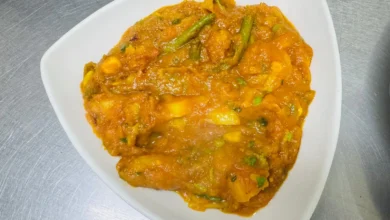


Vegetable Korma Recipe – Creamy Indian Curry Inspired by Gandhi Indian Restaurant & Takeaway, Stoke-on-Trent

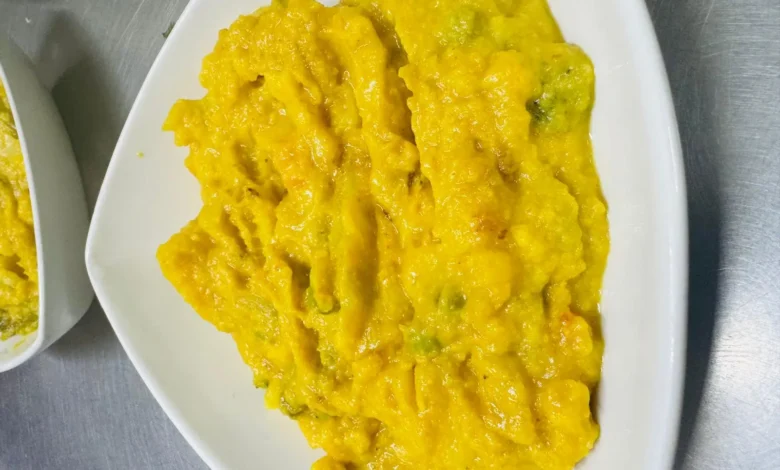
Introduction to Vegetable Korma
The Vegetable Korma is one of the most beloved dishes in Indian cuisine, known for its creamy, mildly spiced, and aromatic flavor profile. It’s a curry that balances richness with subtle spice, making it perfect for everyone — from curry beginners to connoisseurs.
At Gandhi Indian Restaurant & Takeaway in Stoke-on-Trent, their version of vegetable korma has earned a loyal following. The restaurant combines fresh local produce with authentic Indian spices and a luxurious coconut-cashew base for an unforgettable taste.
👉 Order Now: Gandhi Restaurant Online Ordering
What Makes Korma Unique
Korma is distinct for its mildness and creamy texture, achieved by blending nuts, cream, and aromatic spices like cardamom and cinnamon. Unlike spicier curries, korma emphasizes flavor depth over heat, offering a subtle sweetness and richness.
Gandhi Indian Restaurant’s Signature Korma
At Gandhi Indian Restaurant & Takeaway, their vegetable korma is made with a blend of:
- Fresh mixed vegetables
- Cashew and coconut-based sauce
- Gentle spices like cardamom, cumin, and cinnamon
The result? A velvety curry that’s delicately balanced and bursting with authentic Indian flavor.
The History of Korma in Indian Cuisine
Mughal Origins of Korma
Korma dates back to the Mughal Empire, where royal chefs prepared “Shahi Korma” (royal curry) using nuts, cream, and exotic spices for kings and emperors.
Regional Variations
- North India: Uses yogurt and cashews for a rich texture.
- South India: Includes coconut and curry leaves for a tropical twist.
- Modern Restaurants: Blend both influences for a balanced, creamy curry — just like Gandhi Indian Restaurant & Takeaway does.
Ingredients for the Perfect Vegetable Korma
Fresh Vegetables
- 1 cup cauliflower florets
- ½ cup diced carrots
- ½ cup green beans
- ½ cup green peas
- 1 potato (cubed)
- 1 small bell pepper (chopped)
Spice Mix
- 2 tbsp oil or ghee
- 1 bay leaf
- 1 tsp cumin seeds
- 1 tsp coriander powder
- ½ tsp turmeric
- 1 tsp garam masala
- ½ tsp chili powder (optional)
- Salt to taste
Creamy Korma Sauce
- 1 onion (finely chopped)
- 2 tomatoes (pureed)
- 1 tbsp ginger-garlic paste
- 10 cashews (soaked, blended to a paste)
- ½ cup coconut cream or yogurt
- 1 tbsp desiccated coconut
Step-by-Step Cooking Instructions
Step 1: Preparing the Vegetables
- Boil or steam all vegetables until tender but not mushy.
- Drain and set aside.
Step 2: Making the Korma Base
- Heat oil or ghee in a pan.
- Add cumin seeds and bay leaf; let them crackle.
- Add onions and sauté until golden brown.
- Stir in ginger-garlic paste, then add tomato puree.
- Cook until the oil starts separating from the sauce.
Step 3: Simmering the Curry
- Add all dry spices and stir well.
- Add the blended cashew paste and coconut cream.
- Stir in the boiled vegetables and mix gently.
- Simmer for 5–7 minutes on low heat until the sauce thickens.
Step 4: Final Touches
- Add garam masala and a sprinkle of crushed cashews.
- Garnish with fresh coriander leaves.
Serve hot and enjoy your restaurant-style Vegetable Korma.
Tips for the Best Korma
- Soak cashews properly – ensures a smooth, creamy sauce.
- Use coconut cream or yogurt carefully – add at the end to prevent curdling.
- Balance sweetness and spice – too much sugar can overpower the dish.
- Don’t overcook vegetables – they should retain texture.
Gandhi Indian Restaurant & Takeaway’s Special Touch
The chefs at Gandhi Indian Restaurant & Takeaway, Stoke-on-Trent craft their korma with:
- Locally sourced vegetables
- Hand-ground Indian spices
- A signature blend of coconut milk and cream
- Slow cooking for maximum flavor infusion
This results in a silky, aromatic curry that has become a signature favorite for their customers.
Nutritional Value
| Nutrient | Amount (per serving) | Benefits |
|---|---|---|
| Calories | 310 kcal | Moderate energy level |
| Protein | 9g | Muscle and tissue repair |
| Fiber | 7g | Digestive health |
| Fat | 15g | Healthy plant fats |
| Vitamin A & C | High | Boosts immunity |
The Vegetable Korma is both nourishing and satisfying — a wholesome vegetarian meal packed with nutrients.
Serving Suggestions
Traditional Sides
- Basmati or pilau rice
- Naan or chapati
- Cucumber raita for a cooling contrast
Modern Pairings
- Serve over quinoa for a healthy twist
- Pair with a vegan yogurt dip
- Add roasted tofu or chickpeas for protein boost
Frequently Asked Questions (FAQs)
Q1: Can I make this vegetable korma vegan?
Yes, replace dairy cream with coconut cream or almond milk for a 100% vegan version.
Q2: Is korma spicy?
No, it’s known for its mild, creamy flavor — perfect for those who prefer gentle heat.
Q3: Can I add paneer or tofu?
Absolutely! Paneer (or tofu for vegans) adds protein and richness to the dish.
Q4: How long can I store korma?
Keep it refrigerated for up to 3 days, or freeze for up to 2 months.
Q5: What type of rice goes best with korma?
Fragrant basmati or coconut rice enhances the curry’s flavor beautifully.
Q6: Can I use store-bought curry paste?
You can, but homemade spice paste gives a more authentic taste.
Conclusion
The Vegetable Korma is a dish that truly defines comfort and elegance in Indian cuisine. Inspired by Gandhi Indian Restaurant & Takeaway, Stoke-on-Trent, this recipe blends royal Mughlai roots with modern vegetarian sensibilities.
With its creamy coconut-cashew sauce, tender vegetables, and mild spices, this curry offers the perfect harmony of flavor and texture. Whether you’re new to Indian cooking or an experienced foodie, this dish will transport you straight to the heart of authentic Indian dining.